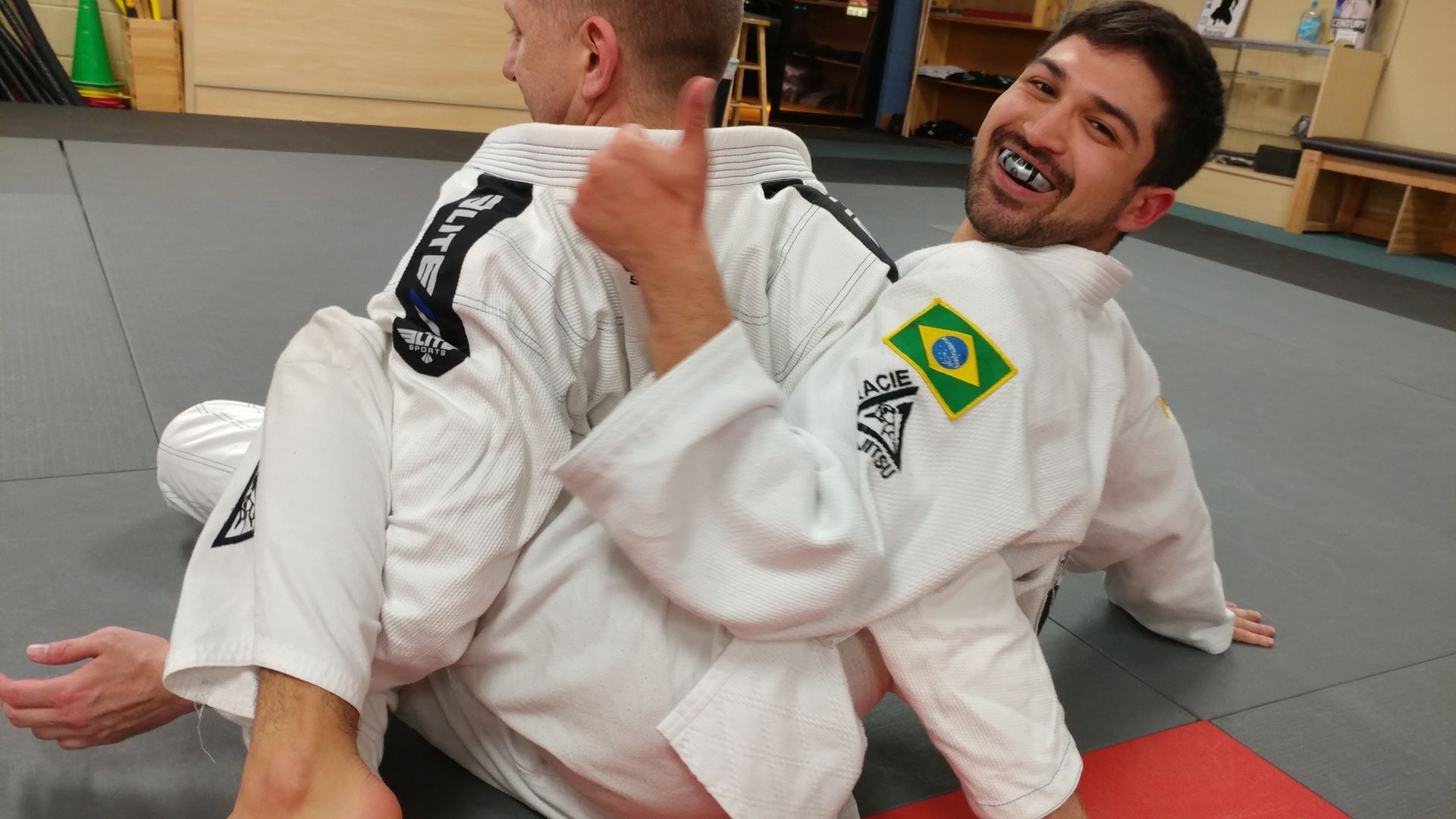
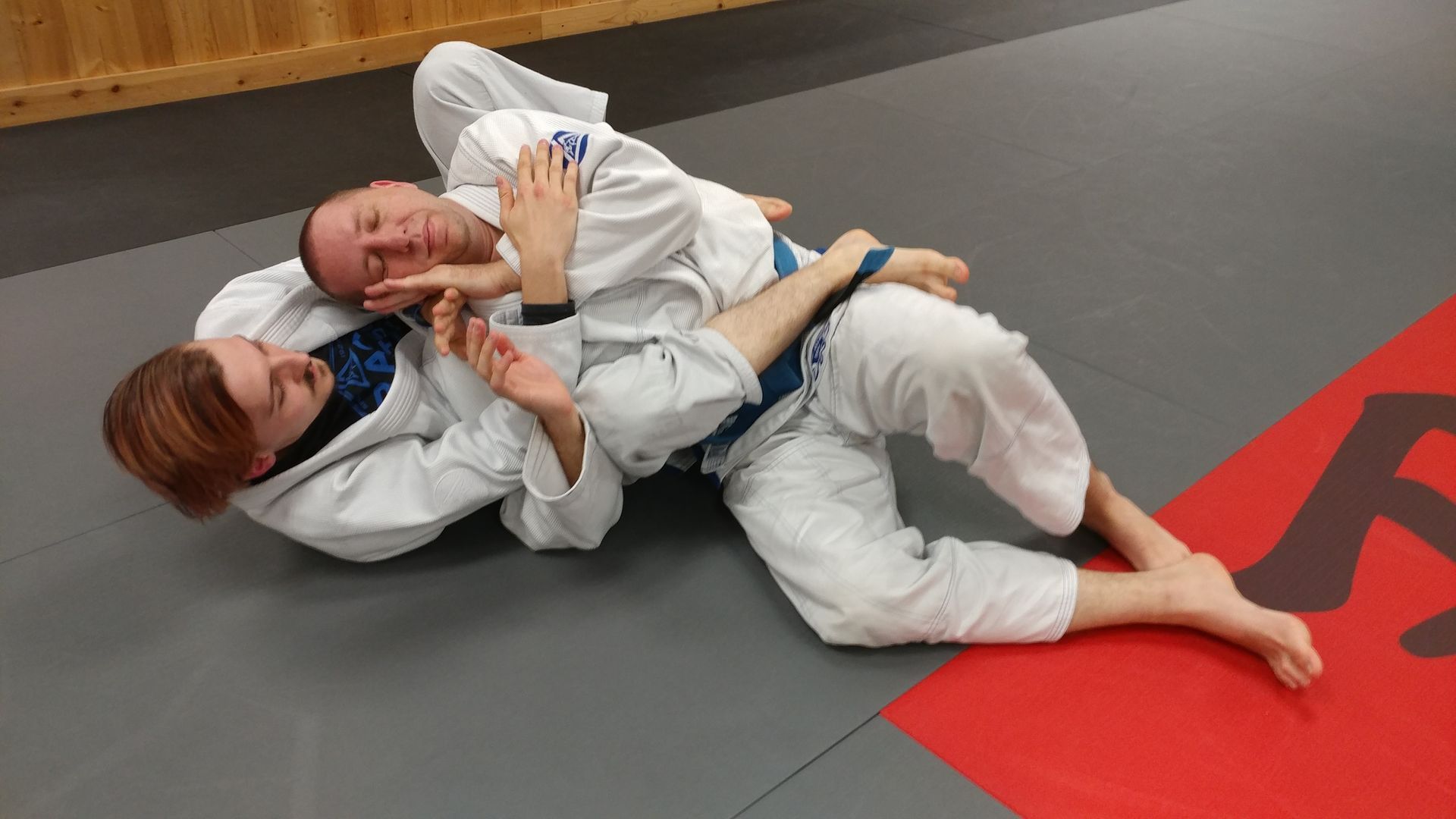
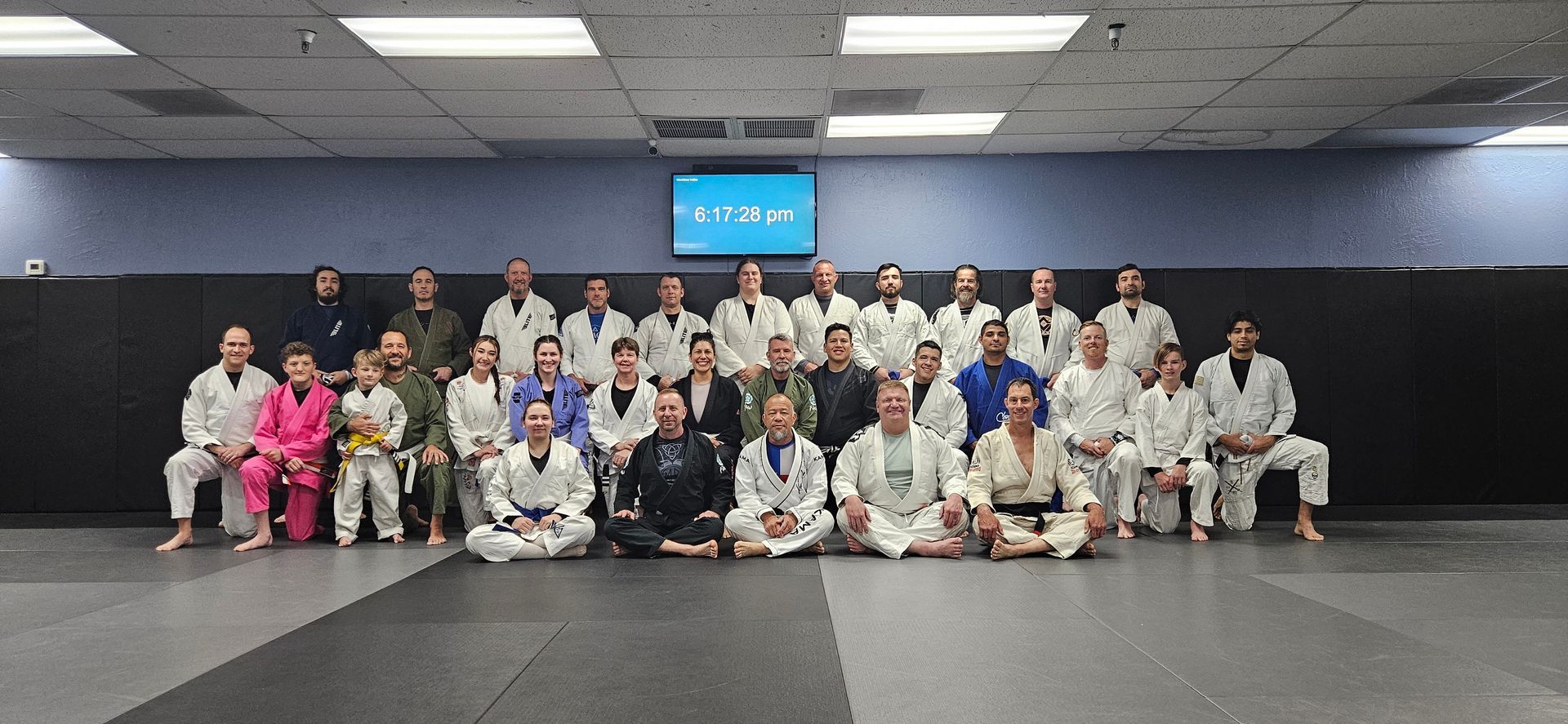
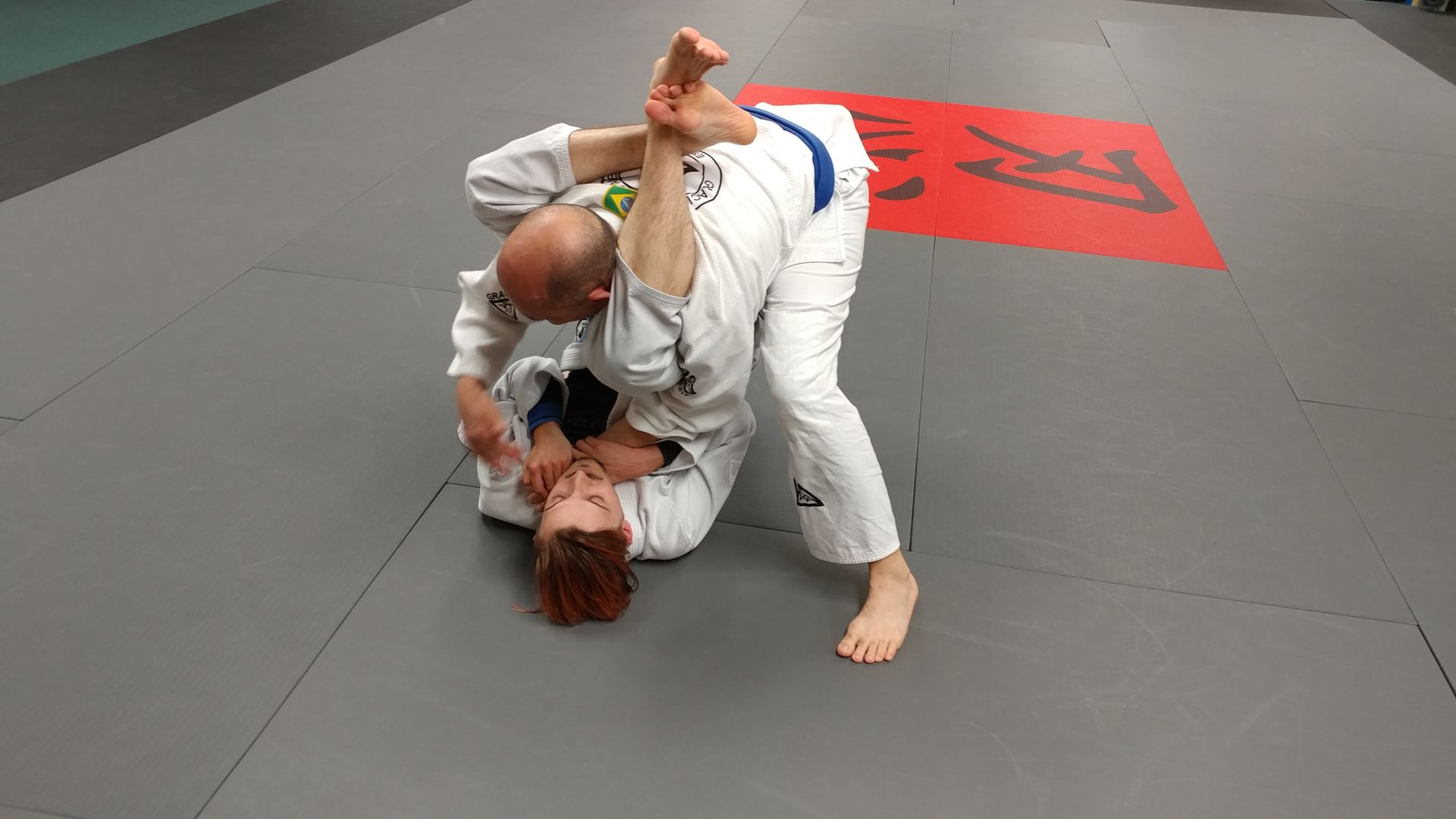
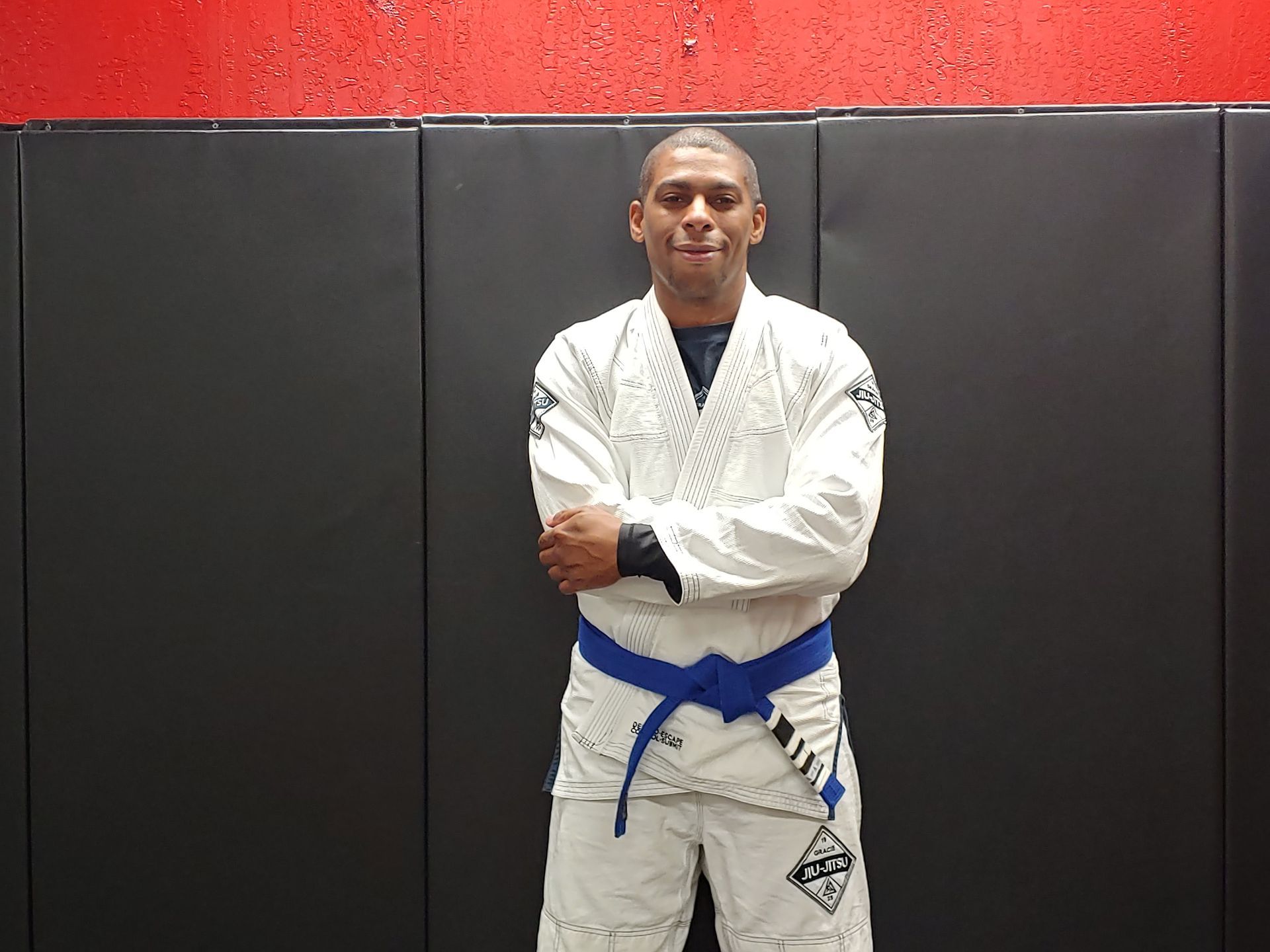
Adult Jiu-Jitsu gives you a rare kind of progress you can feel in your body and trust in your decisions.
Adult Jiu-Jitsu looks like a workout from the outside, but the real hook is deeper: you learn how to keep thinking while you’re tired, pinned, or unsure what to do next. That combination of physical effort and problem-solving is why so many Chandler adults stick with it long after the “new hobby” phase wears off.
In our Adult Jiu-Jitsu classes, we train strength and mindset together, because that’s how the art actually works. You build a stronger body through resistance and repetition, and you build resilience by facing manageable pressure in a controlled setting, week after week.
If you’re curious about Adult Jiu-Jitsu in Chandler, AZ, we want you to know this up front: you don’t need to be in shape to begin. The training is how many people get in shape. Our job is to guide you through a process that’s challenging, safe, and realistic for adult life.
What “unbreakable mindset” really means in Adult Jiu-Jitsu
“Unbreakable” is a bold word, so we use it carefully. In Adult Jiu-Jitsu, mindset isn’t something you magically wake up with. It’s trained. It’s built in small moments where you choose not to panic, not to quit, and not to turn frustration into excuses.
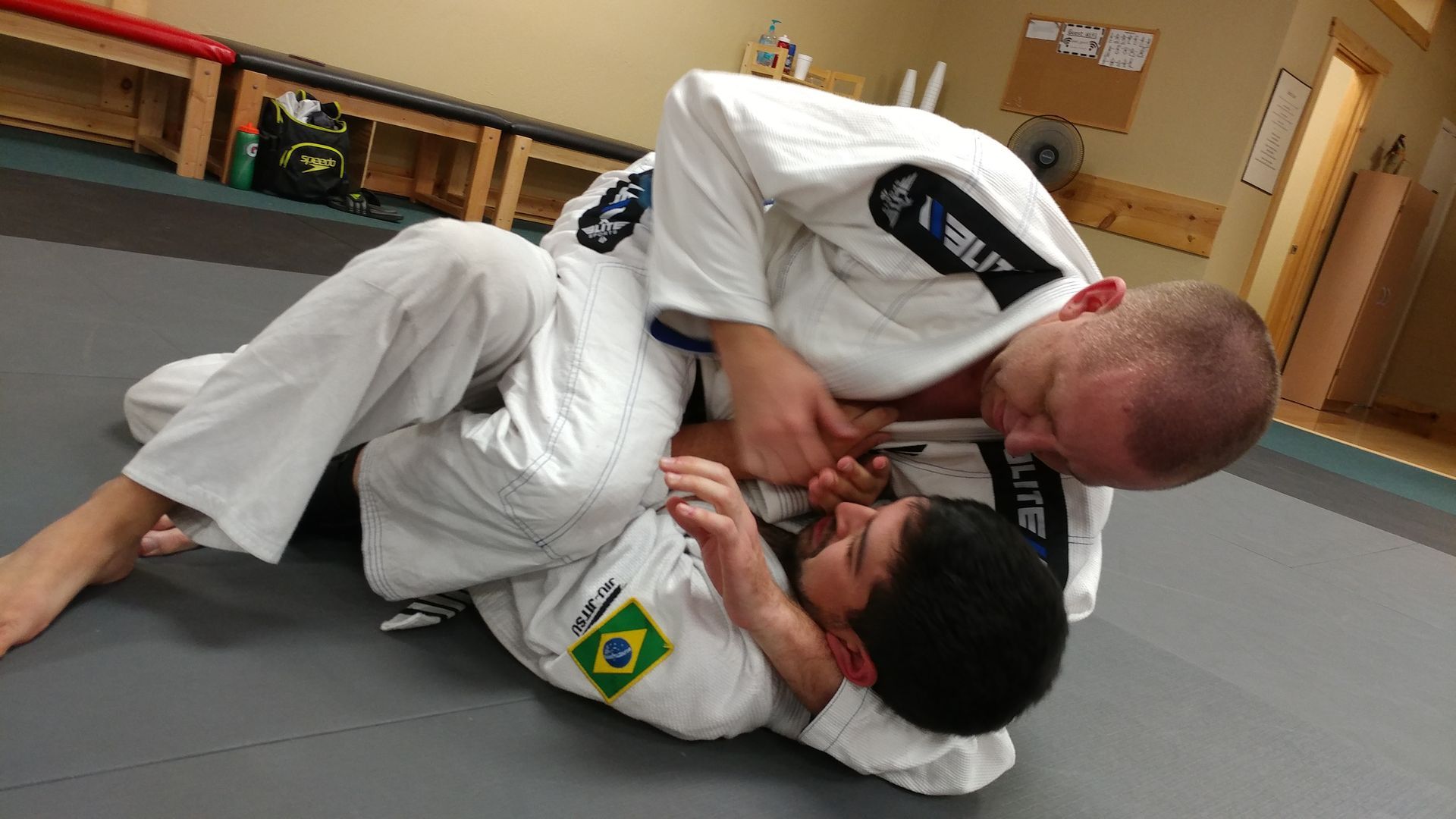
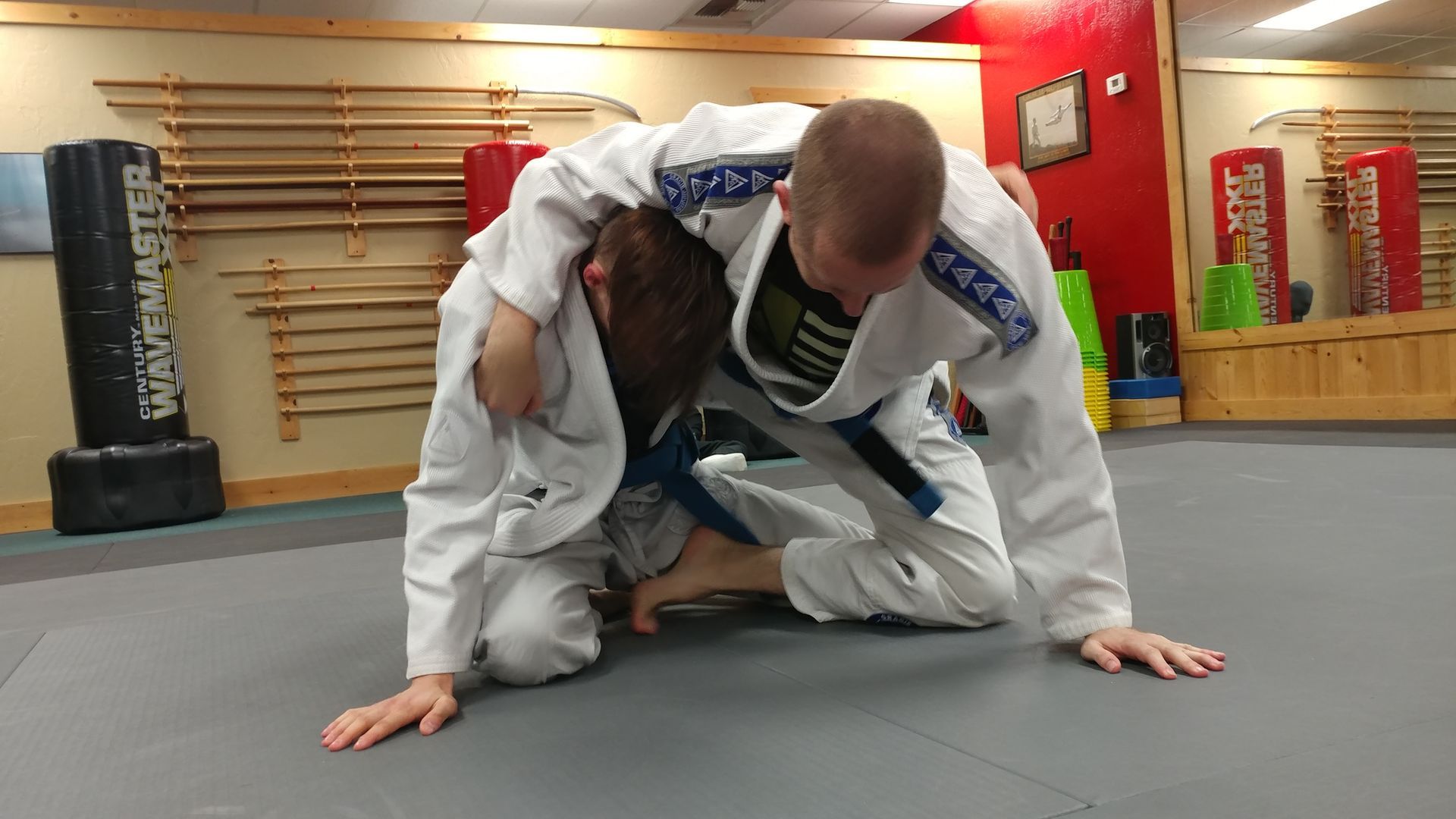
A typical round can feel like a puzzle where the pieces are moving. You might start underneath, breathing a little harder than you planned, trying to remember the detail you drilled five minutes ago. The win is not always the submission. Often, the win is staying calm enough to try the right escape, even if it fails the first time.
That’s the real mental benefit: repeated reps of “reset and solve.” Over time, that habit shows up outside the mats, too. You notice you can handle uncomfortable conversations better. You pause before reacting. You recover from a rough day without spiraling. We can’t promise life gets easy, but we can tell you the skill of returning to center is absolutely trainable.
Why adult beginners do not need to be athletic
A lot of adults hesitate because they assume the room is full of twenty-year-old athletes doing backflips. In reality, Adult Jiu-Jitsu is built for learning. Technique matters because leverage matters. Timing matters because position matters. And those things can be developed at any age if you train with a sensible pace and a culture that prioritizes fundamentals.
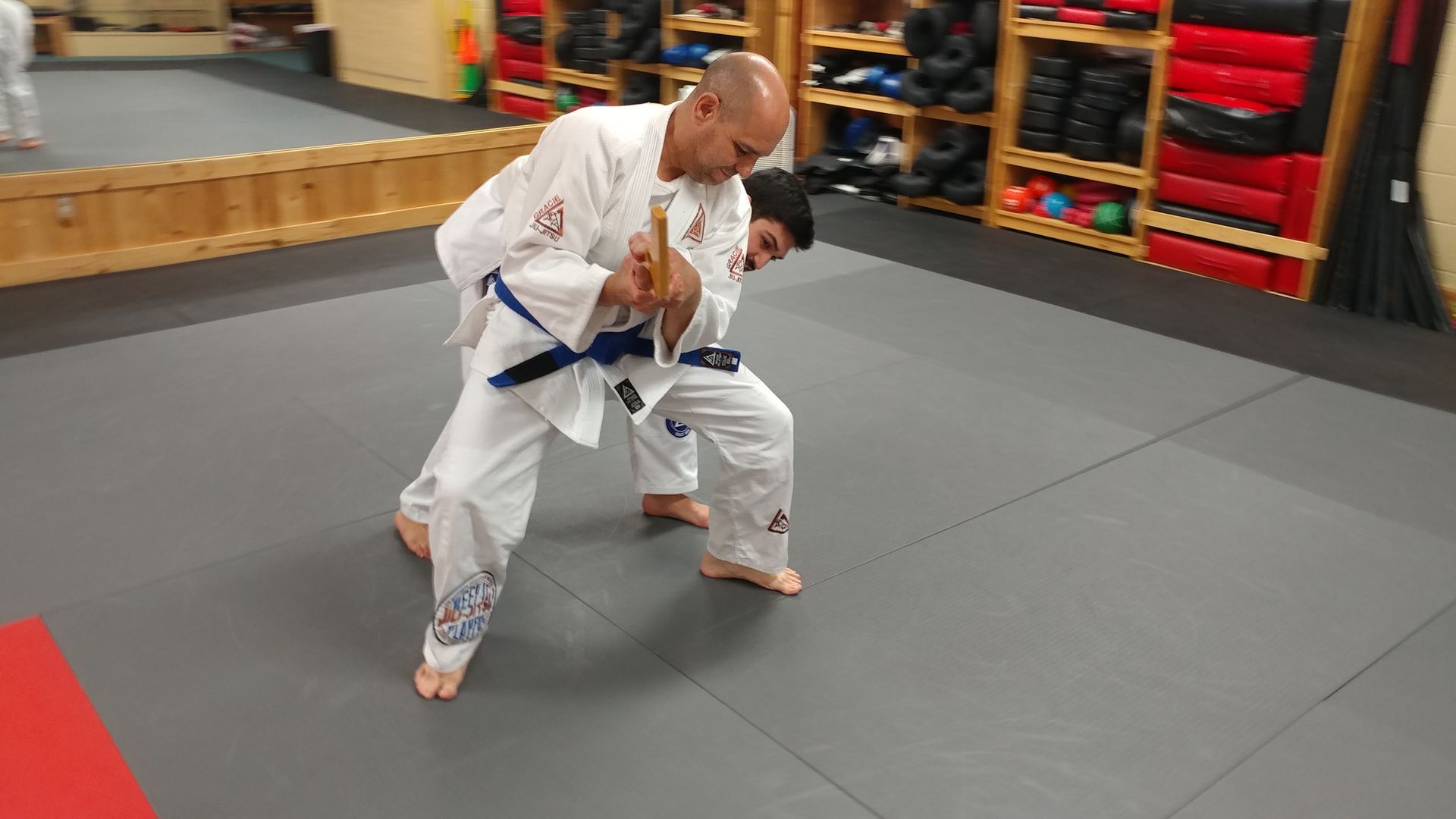
We introduce skills progressively. You learn how to move on the ground safely, how to protect your joints, how to tap, and how to communicate with training partners. It’s normal to feel awkward early. New movements always feel a little clunky at first, like learning a new language with your body.
If you’re returning to exercise after a long break, that’s fine. If you have a busy schedule, that’s normal. Adult Jiu-Jitsu rewards consistency more than intensity. Two or three classes a week done steadily is often more effective than going hard once and disappearing for a month.
How Adult Jiu-Jitsu builds real physical strength and conditioning
Strength in Jiu-Jitsu isn’t just bigger muscles, although many students do get stronger. It’s usable strength under resistance. It’s being able to keep your posture when someone is trying to fold you. It’s controlling your hips, your base, and your breathing while your arms are tired.
Because training involves drilling and controlled live practice, you develop strength in ways typical gym routines don’t always hit:
• Grip endurance from holding sleeves, collars, wrists, and frames without over-squeezing
• Pulling and pushing strength from maintaining posture, breaking grips, and creating space
• Core stability from resisting being turned, flattened, or off-balanced
• Hip mobility and power from bridging, shrimping, standing up safely, and changing angles
• Balance under pressure from learning base, alignment, and weight distribution
• Cardiovascular conditioning that improves because rounds demand pacing and recovery
What’s nice about this style of conditioning is that it’s not random. You get stronger because you’re solving specific problems. Your body adapts to the exact demands the art places on it.
How controlled pressure builds composure you can rely on
The defining feature of Jiu-Jitsu in Chandler AZ for adults is pressure, but controlled pressure. We don’t throw beginners into chaos and call it “toughening up.” We teach you how to create frames, how to breathe, and how to make decisions when the pace climbs.
Composure shows up in small, practical ways. You stop holding your breath. You stop rushing every grip. You learn that being uncomfortable is not the same as being unsafe. That distinction matters, because panic burns energy fast and leads to sloppy movement.
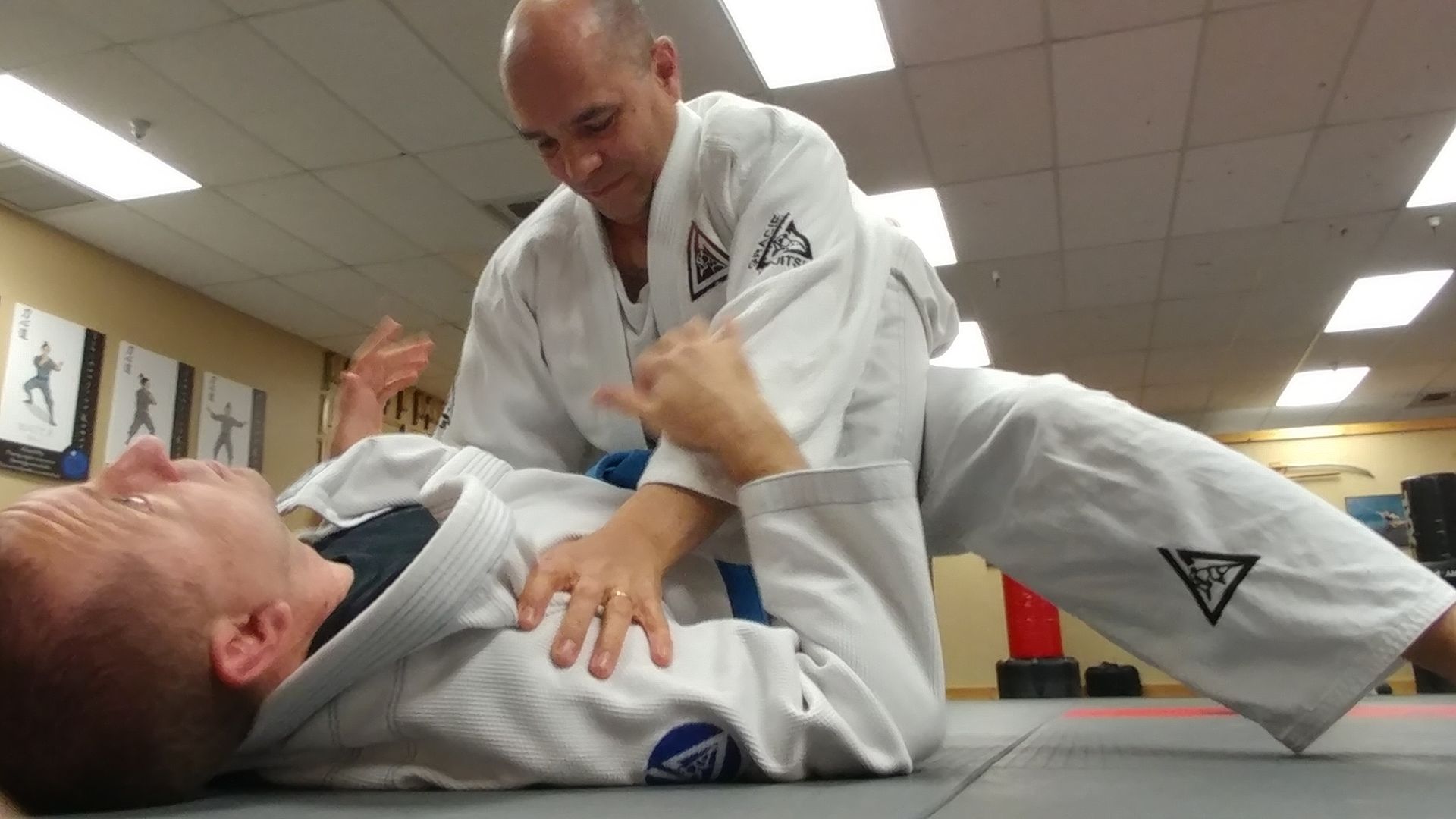
We also use positional training to make pressure manageable. Instead of “anything goes” right away, you might start in a specific position and work one objective, like escaping side control or keeping guard. That structure gives you a clear target, and it keeps the learning honest. You feel what works and what doesn’t.
Why consistency matters more than intensity (especially for adults)
Most adults are balancing work, family, sleep, and whatever life decides to toss in this week. So we encourage a training approach that fits real schedules and real recovery. You don’t need heroic effort. You need repeatable habits.
A simple way to think about progress in Adult Jiu-Jitsu is the first 90 days. This timeline isn’t a promise, just a realistic map we see often:
1. Weeks 1 to 2: You learn etiquette, tapping, basic positions, and how to move without fighting yourself.
2. Weeks 3 to 6: You start breathing better, recognizing when you’re stuck, and escaping with less scramble.
3. Weeks 7 to 12: You begin spotting patterns, surviving tougher rounds, and staying calmer when you’re behind.
That’s when confidence starts to feel earned. Not because you “won” every round, but because you understand what’s happening and you can make your body do something useful under stress.
Confidence comes from measurable progress, not hype
One reason adults like this training is the built-in feedback. In a normal workout, it’s easy to wonder if anything is changing. In Adult Jiu-Jitsu, you can track progress in concrete ways, even before your conditioning catches up.
We encourage you to measure what matters:
• Attendance consistency and recovery from class to class
• Technical understanding, like knowing why a frame works instead of just copying it
• Positional escapes, especially from common pins
• Ability to stay relaxed longer before fatigue takes over
• Decision-making, like choosing a calm exit instead of forcing strength
That’s a mindset shift: you stop chasing perfection and start building reliability. And reliability is what makes you feel strong.
BJJ, community, and what research actually supports
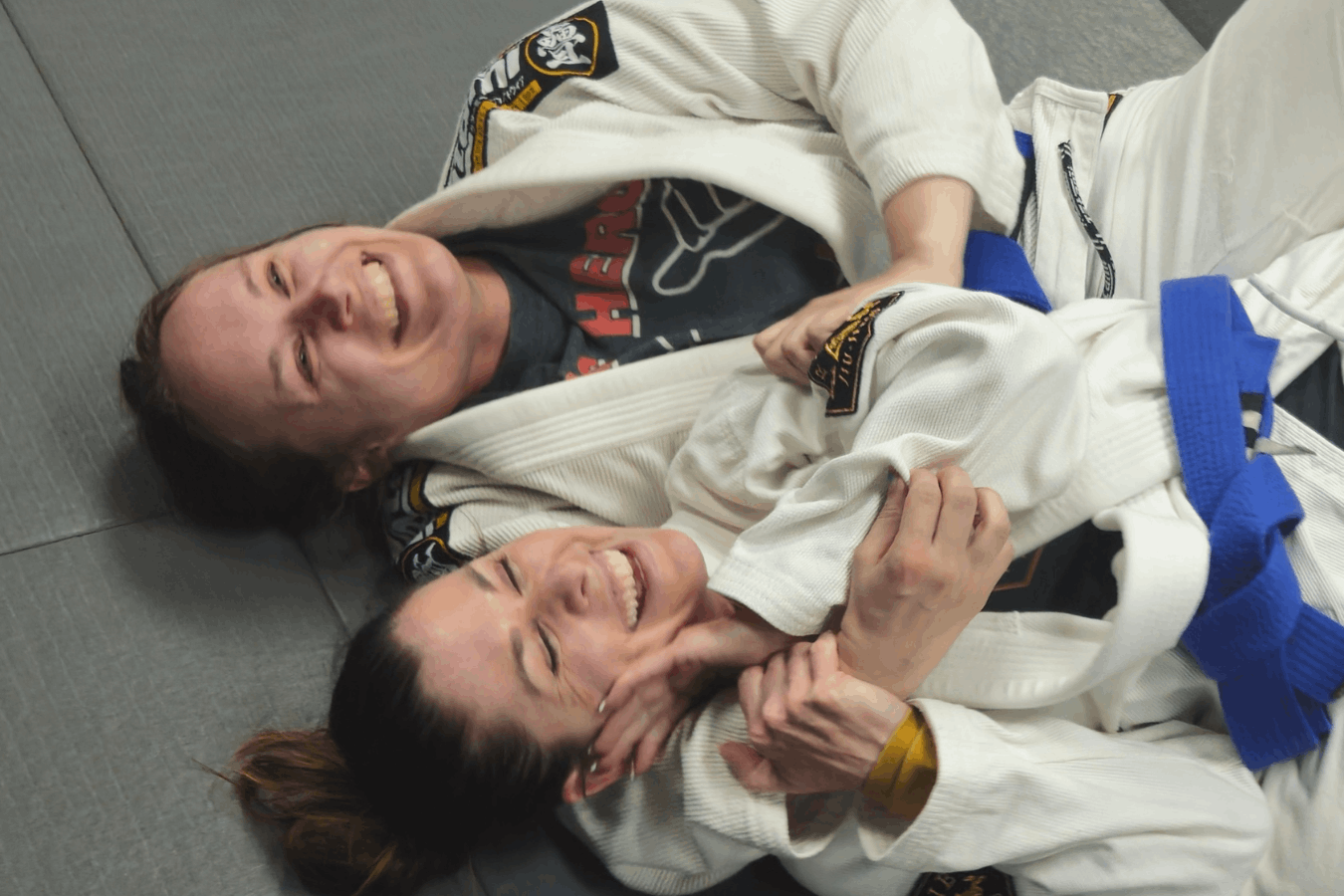
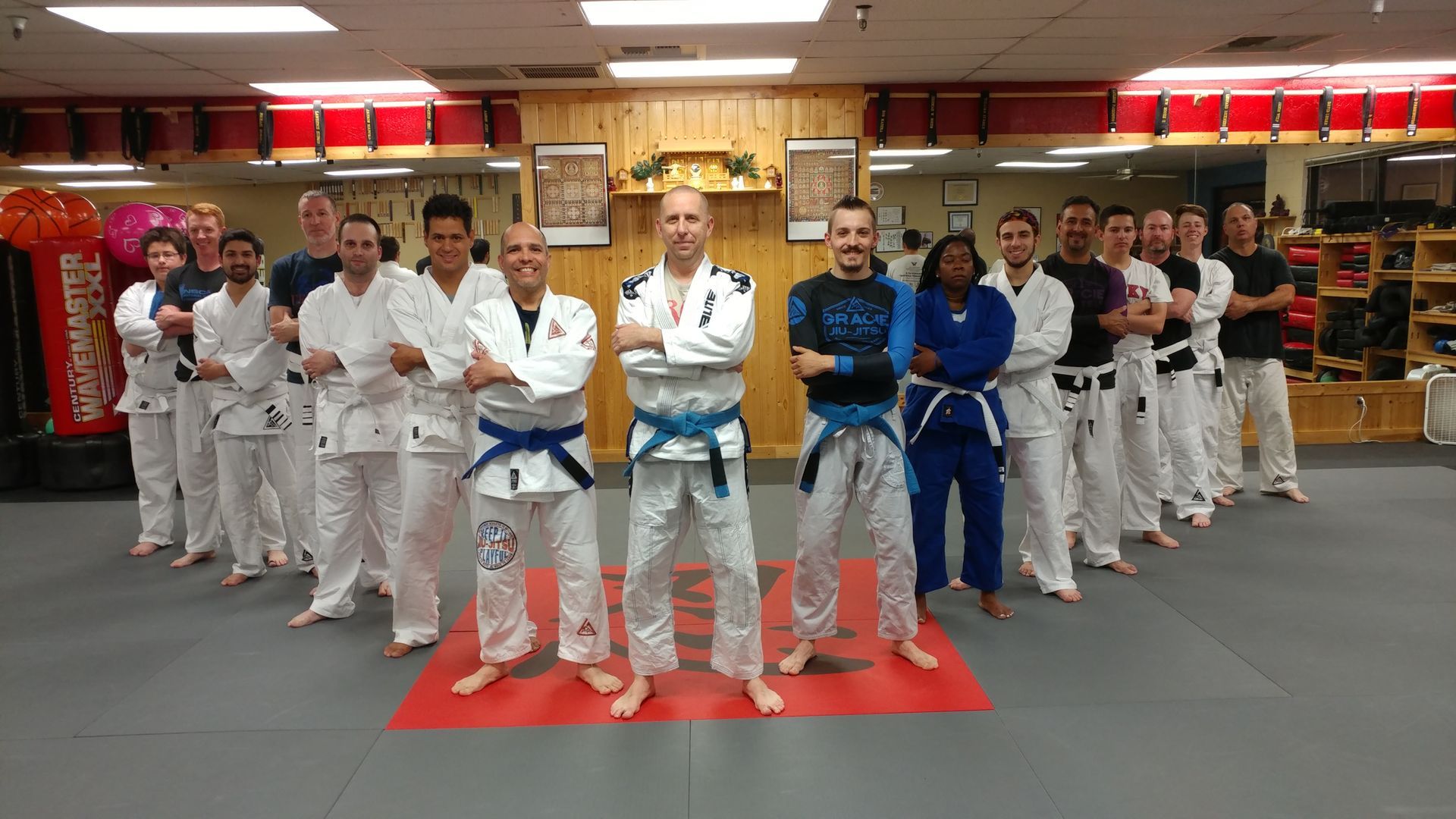
People often talk about the “family feel” in grappling, and it’s not just a slogan. Community is one of the biggest reasons adults stay involved. A 2025 study conducted in a Phoenix-area gym found that all surveyed participants described a strong sense of community, and it also reported associations between participation, emotional well-being, and transferable life skills. That aligns with what many students tell us: training partners become a steady point in the week.
At the same time, we’re careful with mental-health claims. Some research suggests BJJ may help with stress, anxiety, and depressive symptoms, but the evidence base is still developing. A 2024 review of martial-arts research found inconsistent results for several psychological outcomes, which means it’s smarter to say this training can support resilience and well-being rather than “treat” anything.
So here’s our honest take: Adult Jiu-Jitsu can be a powerful supportive practice. It can improve your routine, your self-trust, and your ability to handle pressure. But it’s not a substitute for professional care, and we encourage you to treat it as one valuable piece of a bigger health picture.
Safety, injury prevention, and responsible training
Any contact sport has risk, and pretending otherwise doesn’t help you. Most injuries happen during sparring, and joints are the usual suspects: fingers, shoulders, knees, neck, and elbows. The goal is not to eliminate risk completely, but to reduce it with good coaching, good culture, and smart personal decisions.
In our program, safety starts with habits you can control:
• Tap early and tap clearly, especially when you’re learning joint locks
• Match intensity to your experience level, because “winning practice” is not the point
• Prioritize warmups and mobility so your body is ready to move under load
• Communicate injuries and limitations so we can help you modify training
• Keep hygiene tight, since skin issues spread fast in close-contact training
We also structure training so beginners aren’t forced into hard rounds. You build skill first, then pressure-test at an appropriate pace. That approach keeps training challenging without turning it reckless.
What a first class may look like
Uncertainty keeps people from starting, so we like to make the first day simple. When you come in, we’ll help you get oriented, go over basic expectations, and answer the questions you were probably going to ask halfway through class anyway.
A typical first class includes a warmup focused on Jiu-Jitsu movement, fundamental instruction, and partner drilling. Depending on the class format and your comfort level, you may also do light positional work where the goal is learning, not “going to war.” You’ll finish with a chance to ask questions, and we’ll point you to the class schedule so you can choose times that fit your week.
Wear comfortable athletic clothing without zippers or hard objects, remove jewelry, and show up ready to learn. If you’re nervous, that’s normal. Most adults are. The good news is that nervousness fades quickly once you realize everyone is here to improve, not judge.
Common questions from Chandler adults
Am I too old to start?
Most adults can start if training intensity matches recovery, and if we account for injuries and lifestyle. The number on your driver’s license matters less than your consistency and communication.
Do I need to be fit before joining?
No. Adult Jiu-Jitsu scales. You can take breaks, learn at your pace, and build conditioning over time.
Is it only for competitors?
No. Competition is an option, not a requirement. Many adults train for fitness, self-defense awareness, stress relief, and personal challenge.
Is it useful for self-defense?
Jiu-Jitsu builds grappling skills like control, escapes, and leverage. Real-world safety also involves awareness, boundaries, and de-escalation, and no martial art guarantees outcomes.
How often should I train?
Two to three sessions per week is a realistic starting point for many adults. More can work if recovery, sleep, and stress levels support it.
Take the Next Step
Building strength and resilience through Adult Jiu-Jitsu is not about collecting quick wins. It’s about showing up, learning fundamentals, and practicing calm problem-solving under pressure until it becomes part of how you operate. If you want Adult Jiu-Jitsu in Chandler, AZ that respects beginner needs while still challenging you to grow, we’ve built our training process to do exactly that.
When you’re ready,
Centerline Jiu-Jitsu Chandler is here to help you start smart, train consistently, and earn the kind of confidence that comes from real skill. You can use the website to check the class schedule, read about the program, and reach out with questions so your first step feels clear instead of intimidating.
See why beginners and experienced practitioners choose Centerline Jiu-Jitsu Chandler by
trying a free class today.