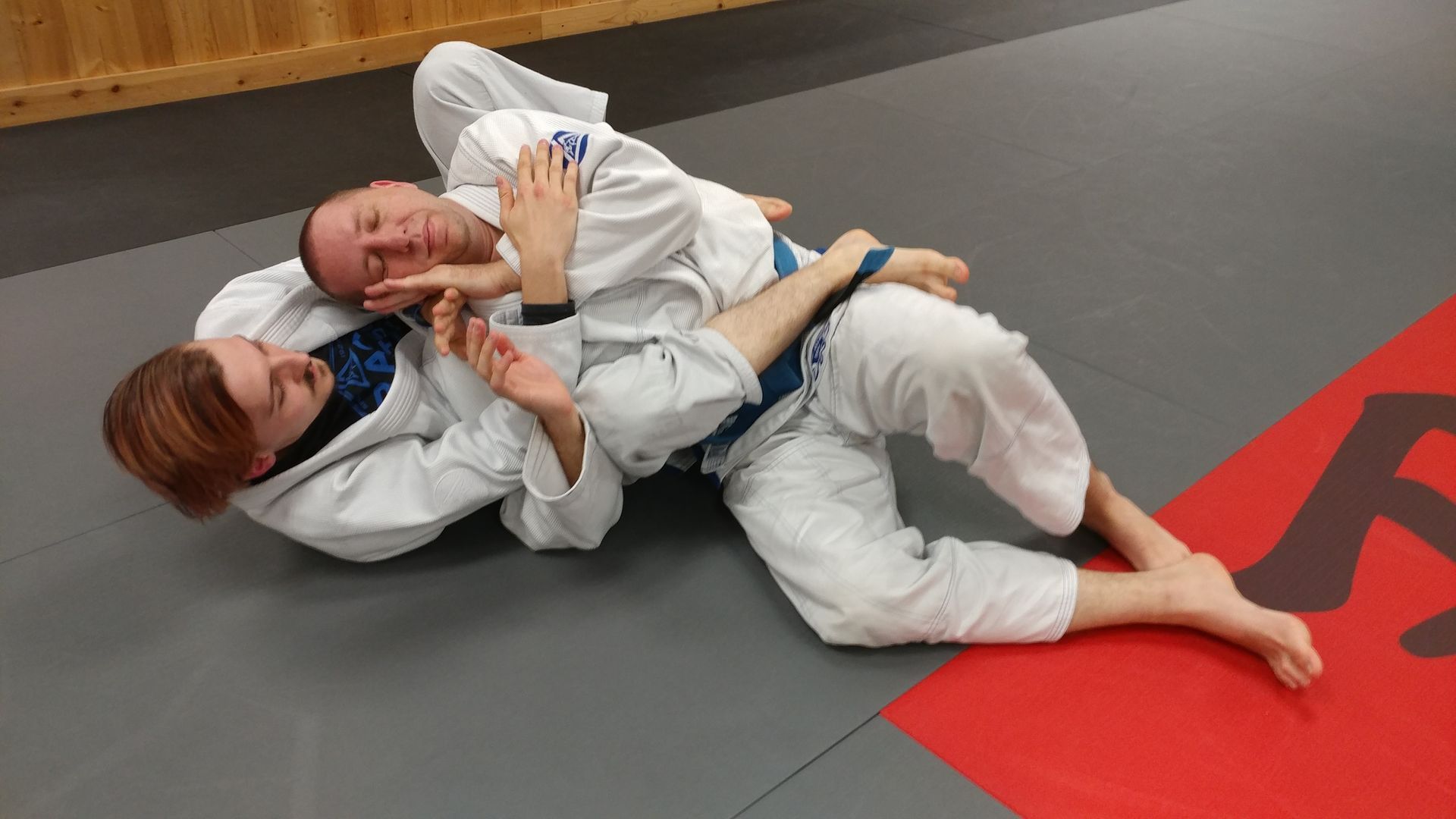
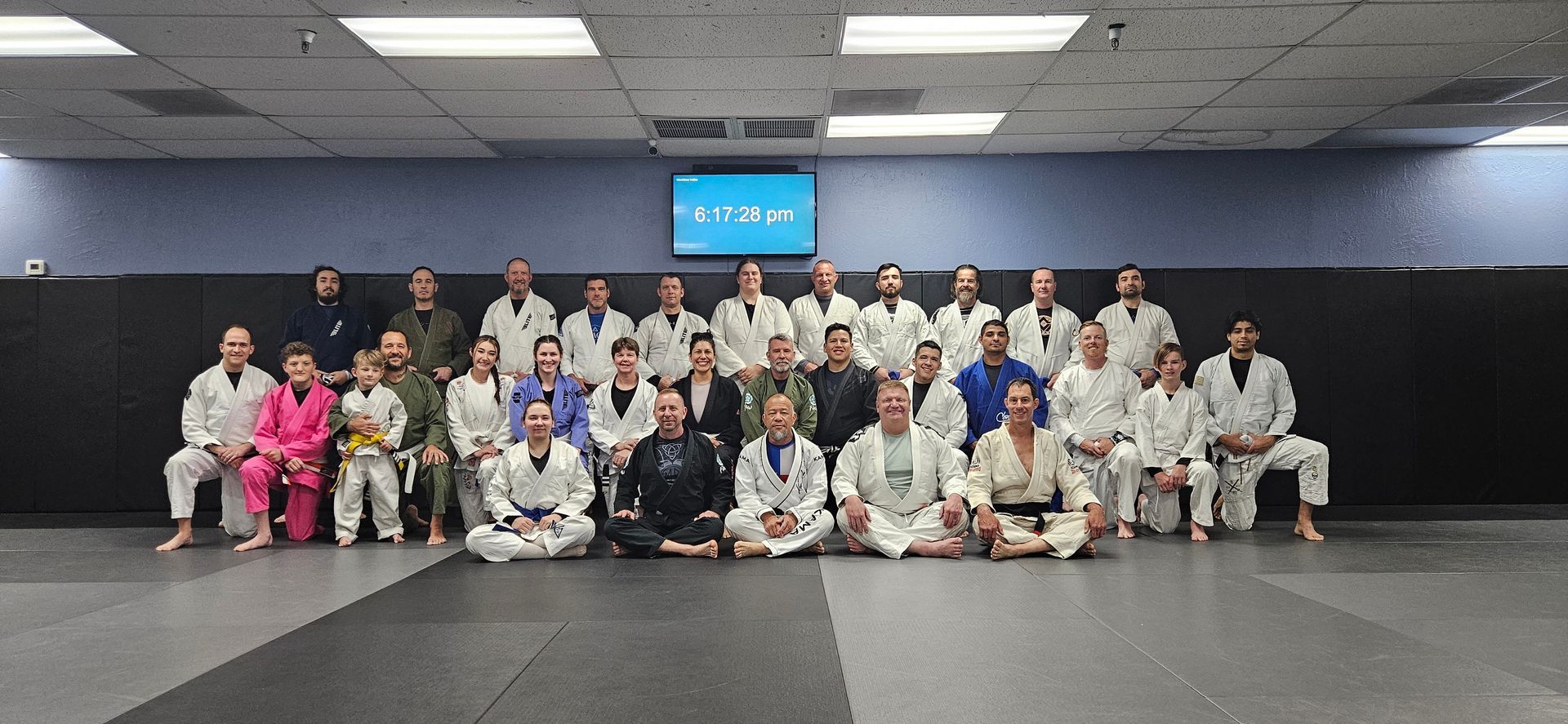
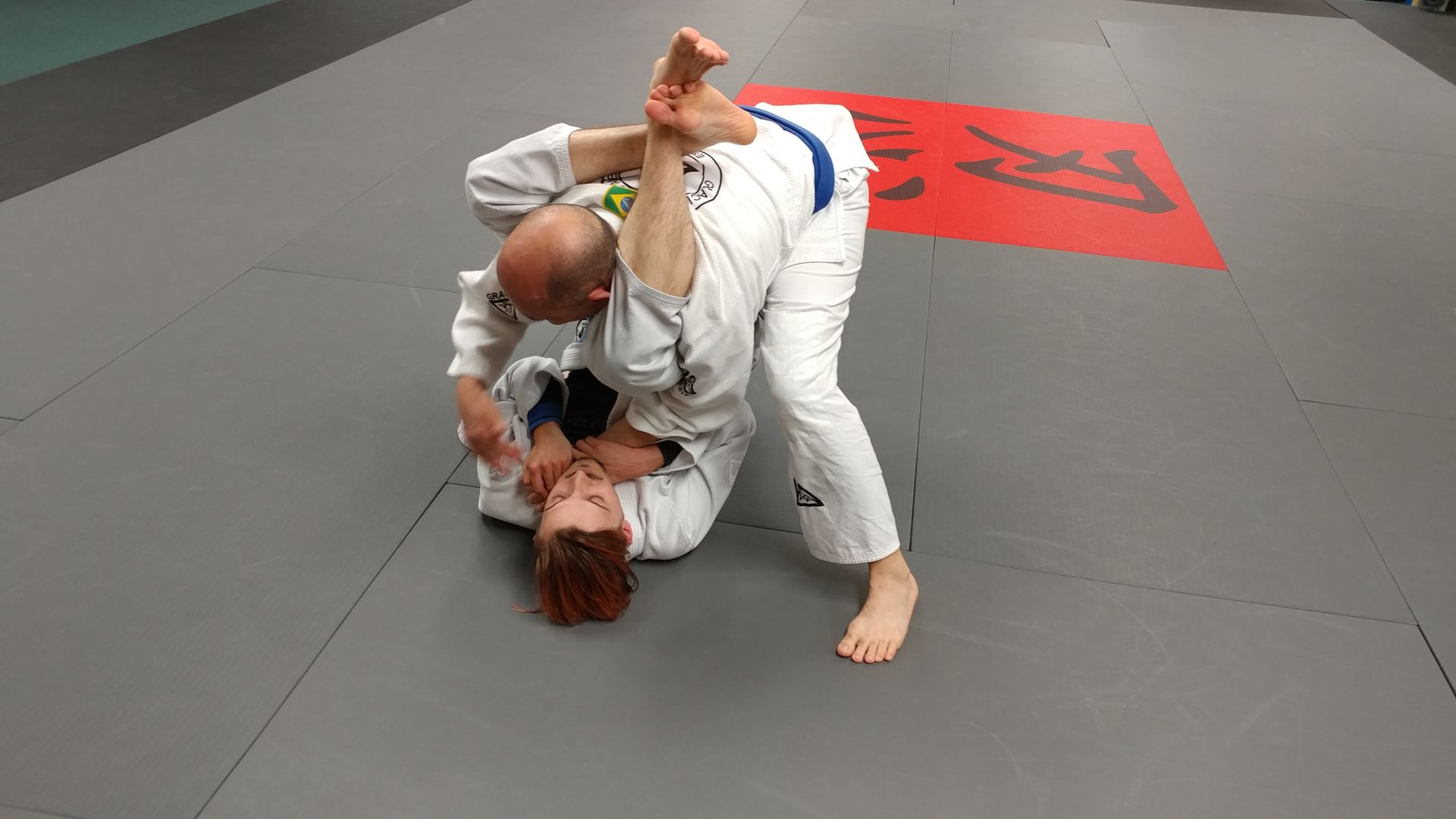
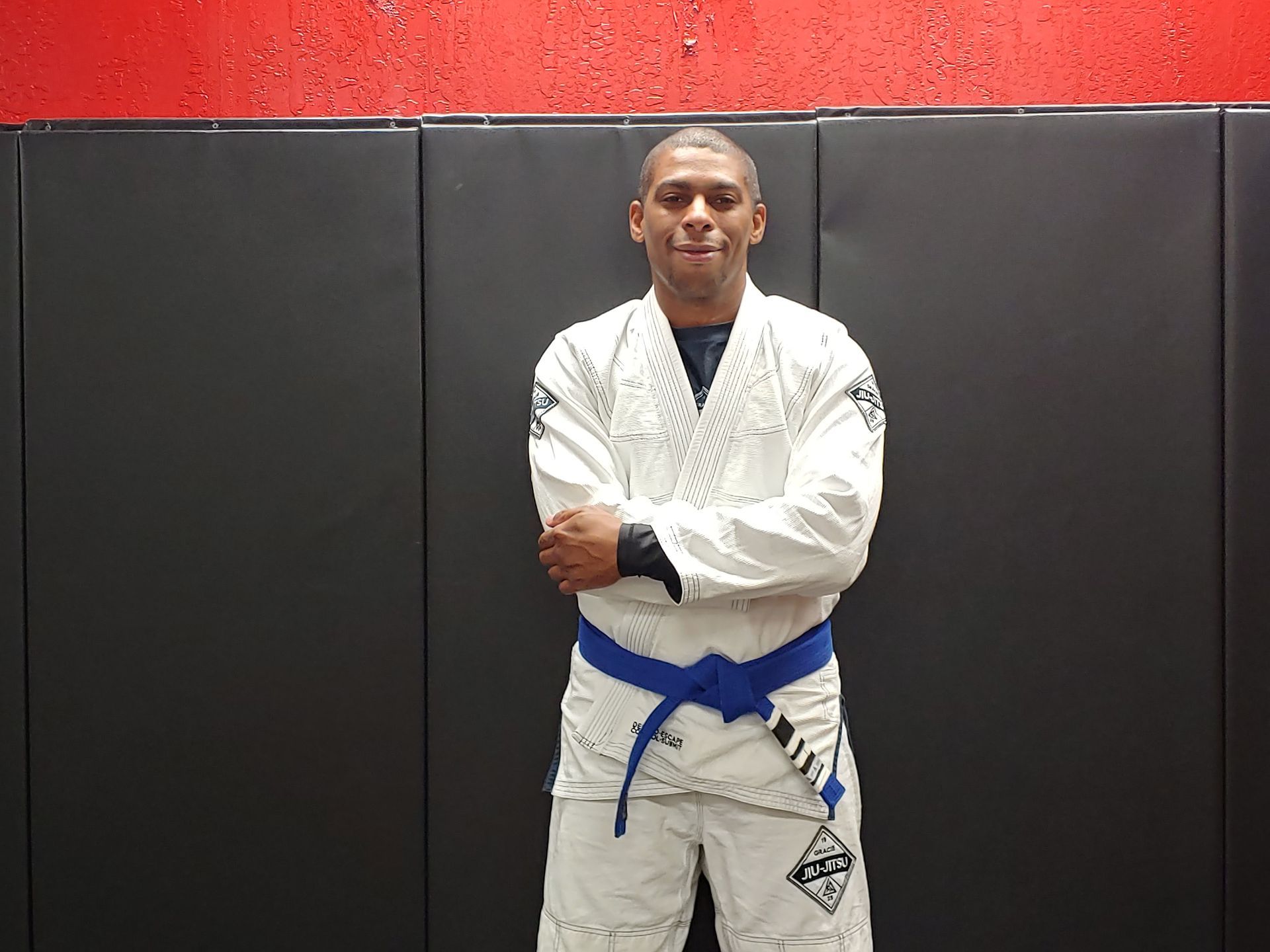
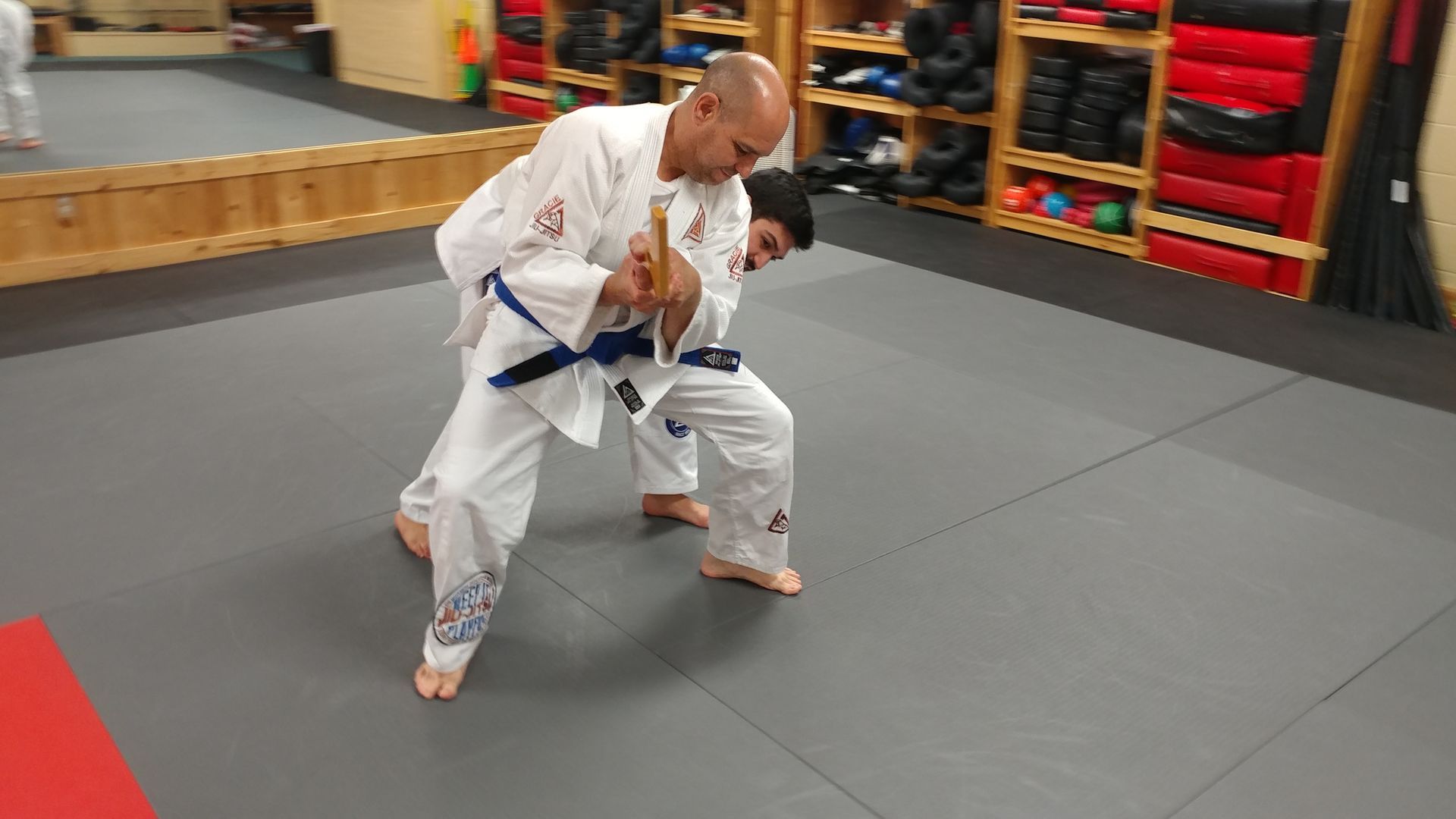
A good class pulls you out of your head and back into your body, one detail at a time.
Adult life in Chandler can feel like a constant toggle between tabs: work messages, family logistics, traffic, screens, and the kind of background noise that never really shuts off. When you are carrying that much mental load, another generic workout can feel like just one more task on the list. Adult Jiu-Jitsu is different because it gives you something most adults rarely get on purpose: a focused interruption.
We see it all the time in our Adult Jiu-Jitsu classes. You walk in thinking about emails and dinner plans, and within a few minutes you are paying attention to posture, grips, breathing, and balance. Your brain cannot keep replaying the day when your body is busy learning something real and specific. That shift is the beginning of the reset.
If you are looking for Adult Jiu-Jitsu in Chandler, AZ as a way to decompress without checking out, training can become a surprisingly practical ritual. It is physical, yes, but it is also technical, social, and structured, which matters when stress is coming from too many unstructured demands.
What makes Adult Jiu-Jitsu different from a typical workout
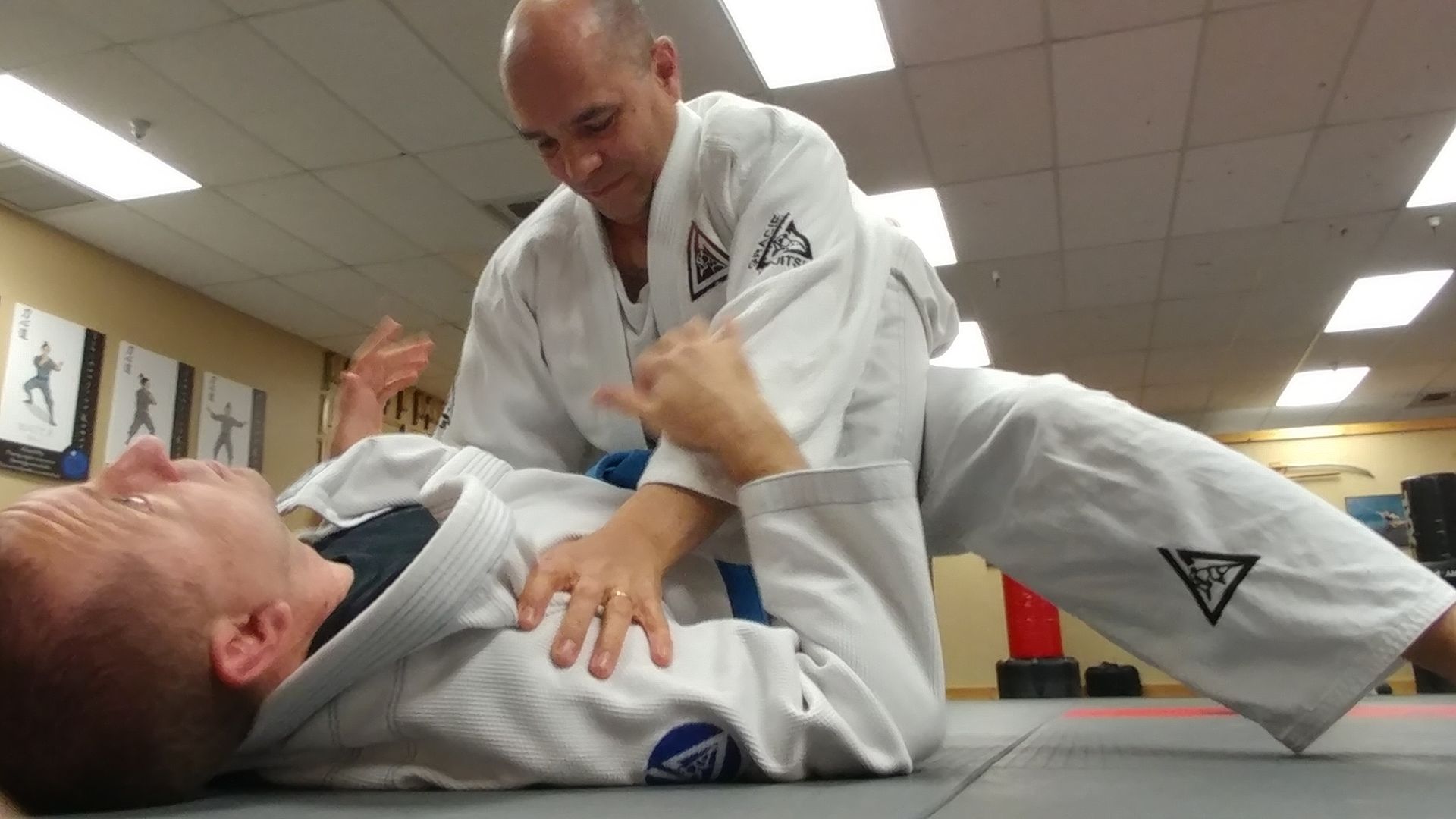
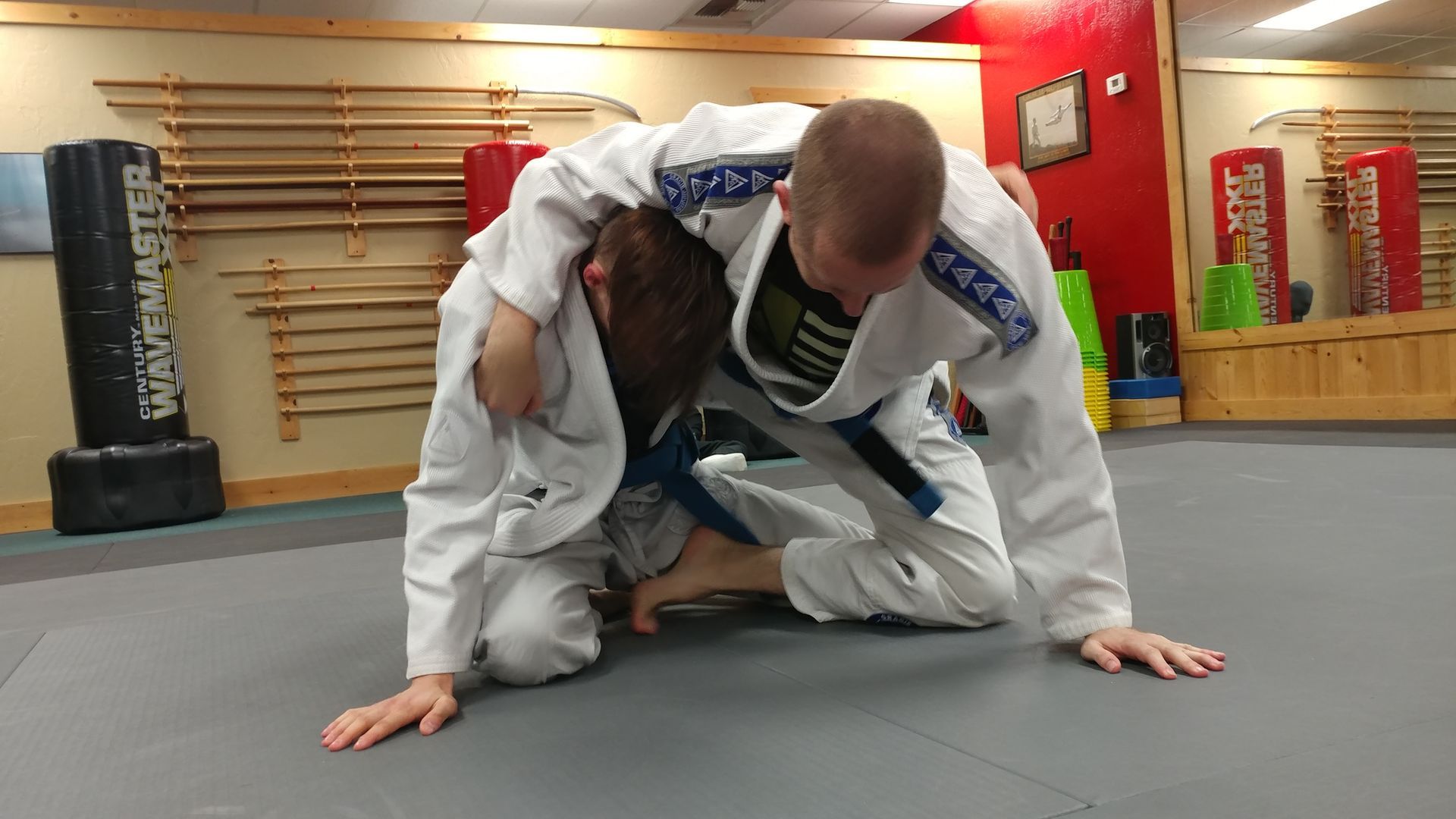
A lot of fitness routines are repetitive by design. That can be relaxing, but it can also leave plenty of space for rumination. In Adult Jiu-Jitsu, you are constantly solving small problems in real time. Even at a beginner level, you are learning how to move your hips, protect your neck, frame correctly, and escape bad positions without panicking.
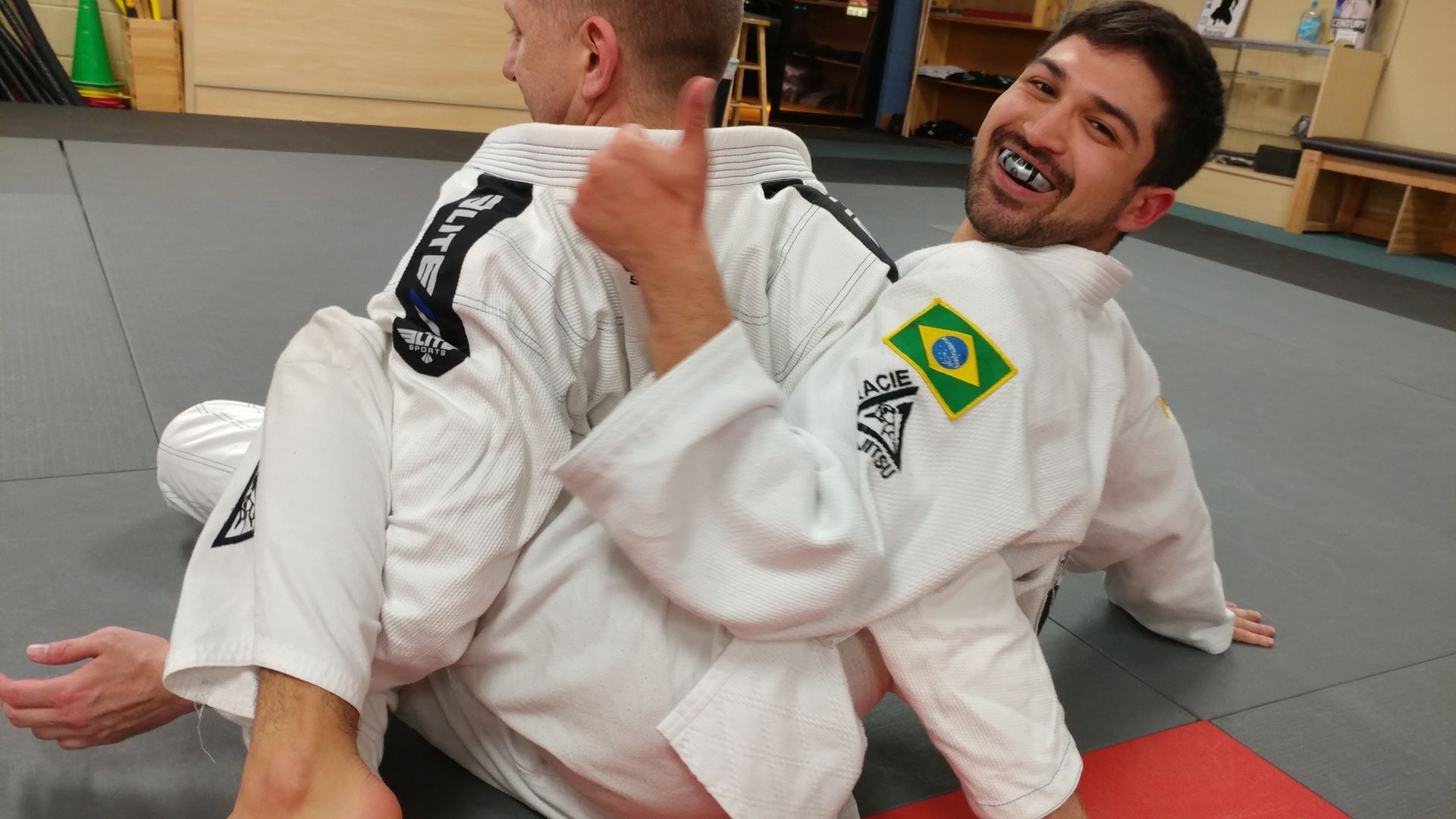
Because Jiu-Jitsu in Chandler AZ is practiced with a partner, you get immediate feedback. If your posture collapses, you feel it. If your timing is off, you notice it. That feedback loop keeps you present in a way treadmills and dumbbells often do not.
And there is a second difference that matters for stress: you do not have to pretend to be intense to improve. Our training culture is built around control. You can train hard, but you can also train smart, pick a sustainable pace, and still make progress.
How focused training interrupts stress and mental overload
Stress is often a loop: the same thoughts, the same worries, the same mental rehearsal. Adult Jiu-Jitsu interrupts that loop because attention becomes non-negotiable. When you are learning a guard pass, you cannot half-focus. You have to notice angles, weight distribution, and where your hands are. You also have to notice your partner, because the technique is happening with another person, not in the air.
This is one reason many adults describe training as mentally refreshing even when it is physically demanding. Your attention gets anchored to the present moment, but not in a vague way. It is anchored to concrete cues: breathe, frame, shrimp, keep your elbows tight, look for the underhook. Those cues add up to a kind of quiet.
Over time, that same skill transfers. You get better at noticing when you are holding tension in your shoulders. You recognize shallow breathing sooner. You learn how to stay calm when something is not going your way, because you have practiced that exact experience on the mat.
Exercise, breathing, and controlled challenge (without chaos)
A stress break needs the right level of challenge. Too easy and your mind wanders back to worries. Too intense and you feel overwhelmed. Adult Jiu-Jitsu tends to land in the sweet spot because it is scalable.
Breathing under pressure is a learned skill
In class, we coach you to breathe when you are pinned, to relax your face and shoulders, and to avoid the instinct to thrash. That is not just good Jiu-Jitsu. It is a pressure-management skill. You are practicing composure in a safe environment where tapping is always allowed and expected.
Hard work with structure feels different
A chaotic day drains you because it is unpredictable and never-ending. Training is hard, but it has boundaries. Class starts, class ends, and there is a clear plan. When you finish, you are tired in a clean way. Your body did work, your mind focused, and you can go back to your evening feeling like you actually closed a loop.
Confidence comes from small technical wins, not hype
One of the most underrated parts of Adult Jiu-Jitsu is how progress shows up. It is not just about getting tougher. It is about getting clearer. You learn a technique, drill it, and then you start spotting it during controlled sparring. The first time you escape side control correctly, it is a small win, but it sticks with you.
Those wins accumulate into confidence that feels earned, not inflated. You begin trusting your ability to learn, adapt, and stay calm while working through a problem. For many adults, that is a direct antidote to the helpless feeling that stress can create.
We also keep the environment beginner-friendly so you do not feel like you have to “perform” on day one. You can ask questions. You can take a round off. You can focus on the details. That matters, because consistency is where the real benefits live.
The social side: real connection without small talk pressure
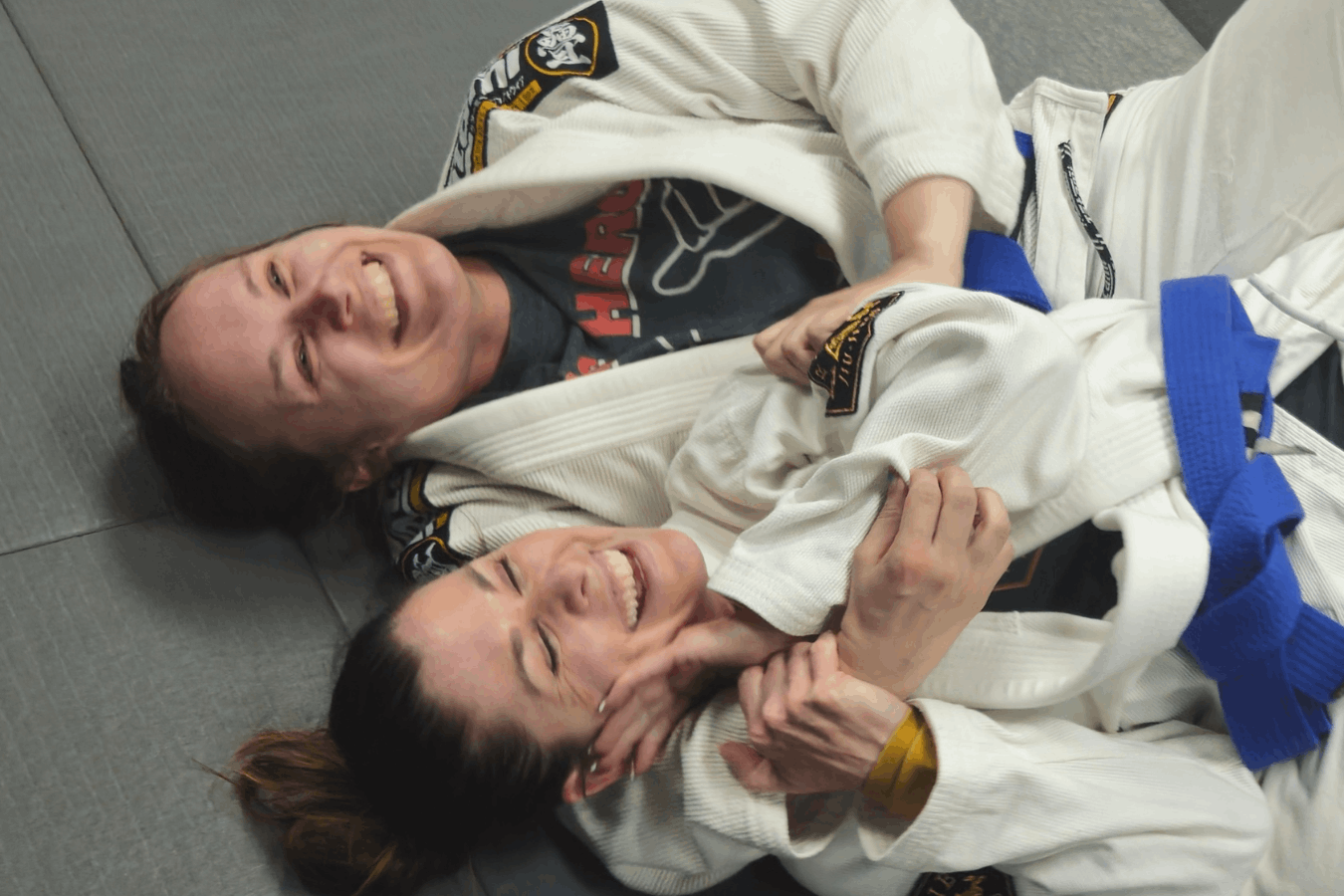
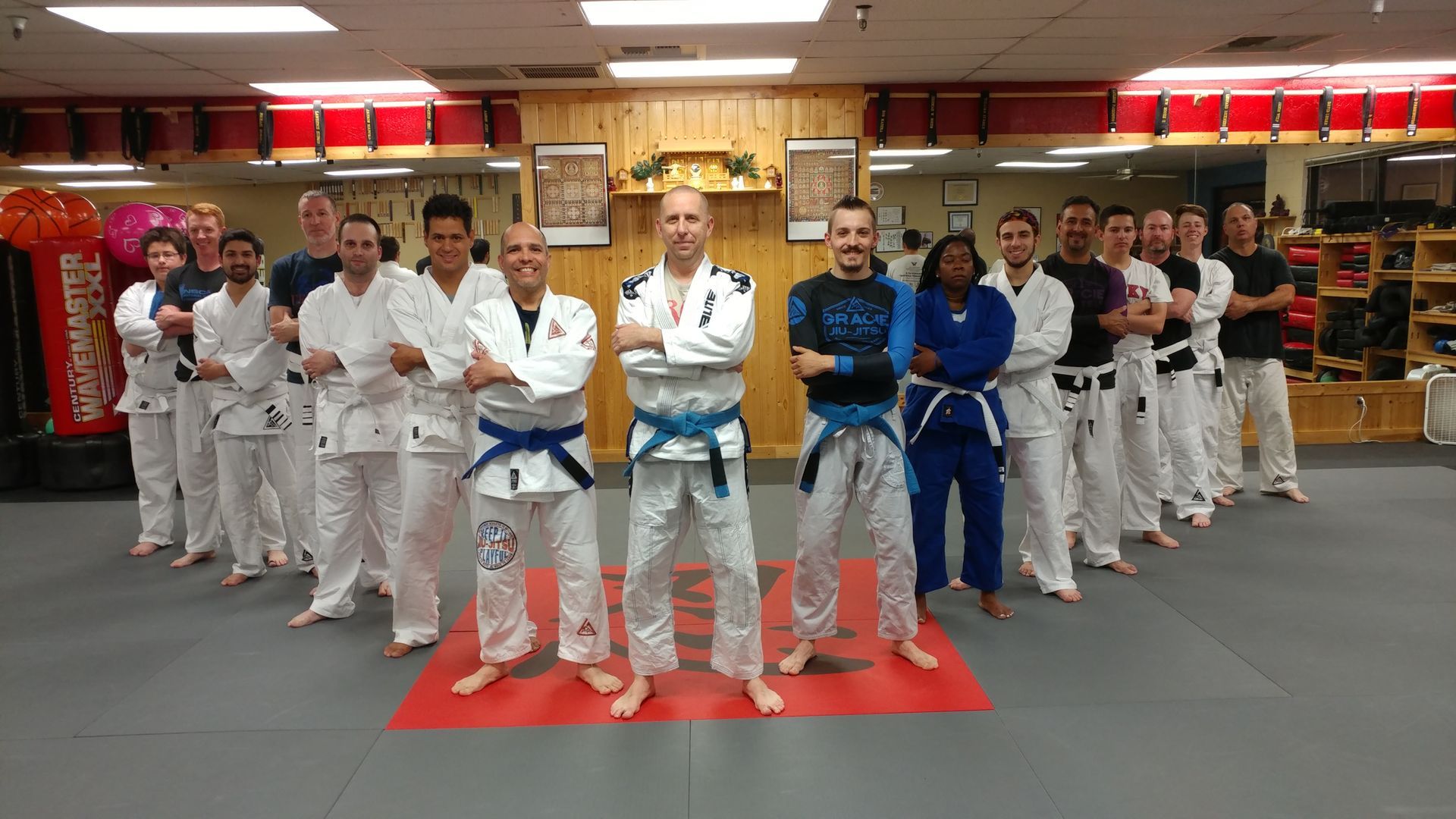
Adult schedules can get strangely isolated, especially if you work remotely or spend most of your day communicating through screens. Partner training gives you regular, in-person interaction that is goal-oriented. You are not forced into awkward networking. You are simply learning together.
That shared effort builds camaraderie fast. You recognize familiar faces, you start remembering names, and you get the subtle benefit of being part of a community where the expectations are clear: be respectful, be safe, help each other improve.
For a lot of students, that alone is a stress reducer. You have a place you can show up as yourself, focus on the next step, and leave the rest outside for an hour.
What research says about Jiu-Jitsu and well-being (and what it does not)
It is tempting to make big claims about martial arts and mental health, and we avoid that. Adult Jiu-Jitsu is not a replacement for professional mental-health care. Still, the research is encouraging in ways that align with what many students report.
A 2025 study of 420 Brazilian jiu-jitsu athletes ages 18 to 60 looked at resilience, self-control, self-efficacy, life satisfaction, aggression, and mental-health indicators. The researchers found that life satisfaction was negatively associated with mental-health disorders, meaning participants who reported greater life satisfaction tended to report fewer mental-health concerns. Among male participants, aggression, self-control, life satisfaction, and resilience together explained about 51.7 percent of the variance in measured mental-health outcomes. Because the study was cross-sectional, it shows relationships, not proof that BJJ alone caused those outcomes.
A separate 2025 study conducted in a Phoenix-area gym reported positive associations between BJJ participation and emotional well-being, social connection, and the transfer of skills from training to everyday situations, including mitigation of anxiety and depression symptoms. Again, association is not the same as a guarantee, but it supports a realistic message: consistent training may support overall well-being for many adults.
So when we talk about stress relief in Adult Jiu-Jitsu, we are talking about mechanisms you can understand: focused attention, structured exertion, breathing practice, community, and measurable skill progress.
Why this matters specifically for Chandler adults
Chandler is busy in a particular way. There are long workdays, packed school calendars, and commutes across the East Valley. Even when life is good, it can be full. That is why Adult Jiu-Jitsu in Chandler, AZ works best when it is treated as a dependable appointment, not a “maybe if I have time” activity.
Training can become a clean transition between roles. You go from employee to student, from parent mode to training mode, from screen mode to movement mode. Then you go home with your nervous system turned down a notch and your mind quieter.
We also see plenty of desk-bound tension: tight hips, rounded shoulders, and low-grade stiffness. Jiu-Jitsu does not magically fix posture, but it does encourage full-body movement, coordination, and awareness. You learn to move on the ground, rotate, bridge, and frame, which can feel like waking up parts of your body that have been asleep all day.
What to expect in your first Adult Jiu-Jitsu class with us
Walking into a martial arts gym for the first time can feel like stepping into a movie scene. In reality, a good beginner class is structured, coached, and welcoming. Our Adult Jiu-Jitsu classes follow a predictable rhythm so you can relax and focus on learning.
Here is what a typical first visit often looks like:
1. Arrive a little early so we can help you get oriented, answer questions, and make sure you feel comfortable before class starts.
2. Start with a warm-up that prepares your joints and muscles for grappling, with beginner-friendly options when needed.
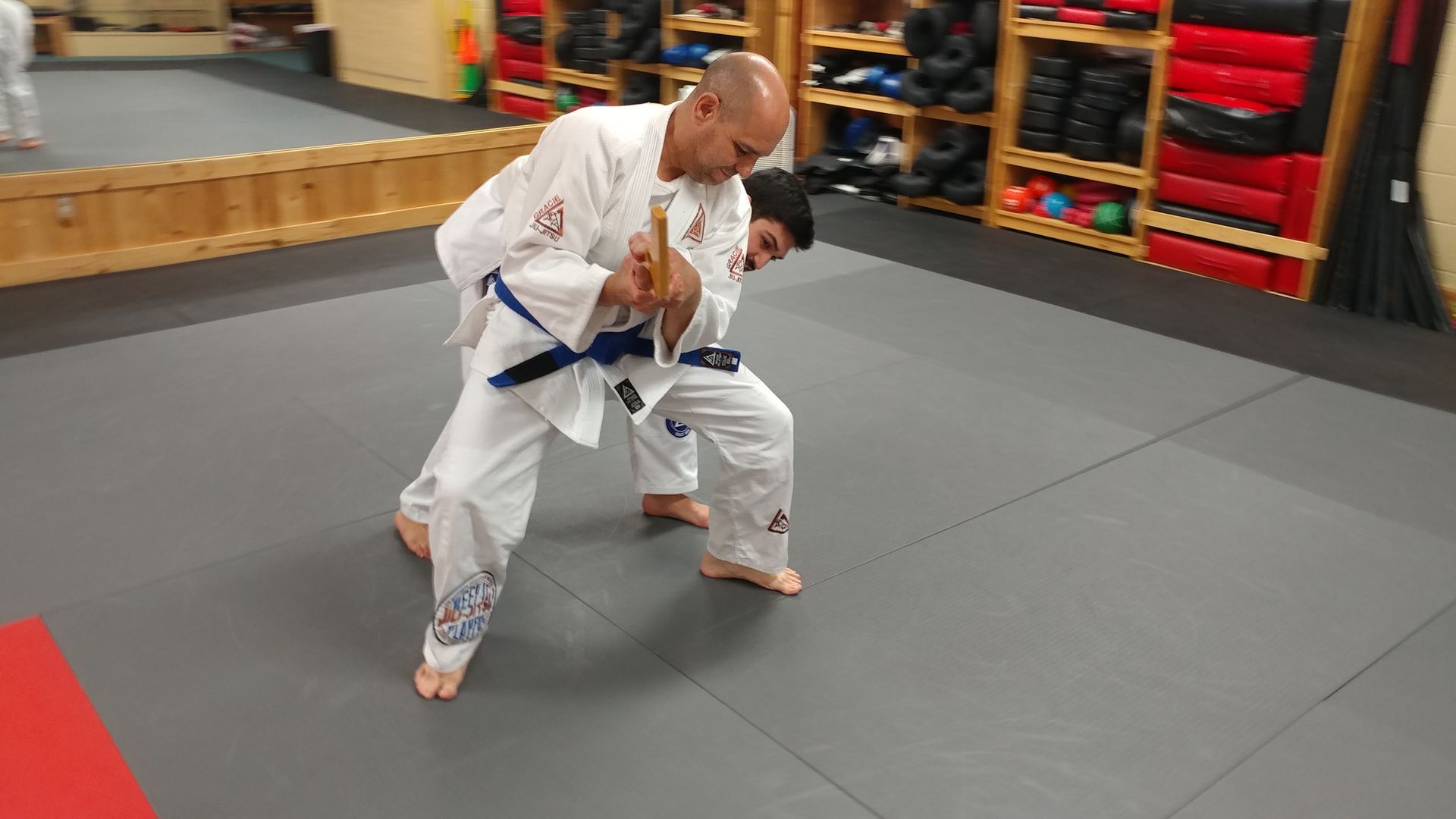
3. Learn a technique or sequence, then drill it with a partner while we coach details like posture, grips, and safety.
4. Do controlled practice, which may include light positional rounds depending on the class and your experience level.
5. Finish with a brief cool-down and reminders about recovery and consistency.
If you are wondering what to wear, we recommend comfortable athletic clothing without zippers, buttons, or hard edges for your first session unless you already have a gi. Skip jewelry, trim fingernails and toenails, and bring water. Most importantly, bring questions. You do not have to know anything before you start.
Safety, hygiene, and a pace you can sustain
Jiu-Jitsu is a contact sport, so safety is not an afterthought. It is part of the curriculum from day one. We teach you how to tap early, how to communicate with partners, and how to train with control. If you have past injuries or limitations, tell us up front so we can help you adjust.
We also take hygiene seriously because it protects everyone and keeps training enjoyable. Clean training clothes, basic personal cleanliness, and respect for the space are standard expectations. These details may sound small, but they shape the whole experience.
Most adults do best starting with two classes per week. That is frequent enough to build momentum and not so intense that you burn out. You can always add more sessions once your body adapts and your schedule feels stable.
Frequently asked questions about Adult Jiu-Jitsu
Do I need to be athletic before starting?
No. We teach fundamentals first, and you build conditioning gradually. The goal is progress, not perfection.
Is it only for people who want to compete?
No. Competition is optional. Many adults train for stress relief, fitness, confidence, and skill development without ever competing.
Will I get hurt?
There is always some risk in close-contact sports, but good training culture reduces it. Tap when you need to, choose control over ego, and communicate clearly.
Is Adult Jiu-Jitsu too intense if I am out of shape?
Intensity is adjustable. You can take breaks, focus on technique rounds, and build capacity over time.
Can Jiu-Jitsu actually help with stress?
For many people, yes, because it combines exercise, focused attention, routine, social connection, and controlled challenge. It is not a medical treatment, but it can be a powerful reset.
Take the Next Step
If you want a break that feels productive instead of passive, Adult Jiu-Jitsu gives you a way to step out of the day and into a clear, structured practice. You get movement, problem-solving, and community in the same hour, and you can scale it to your life instead of rebuilding your life around it.
We built our Adult Jiu-Jitsu program to be welcoming, detailed, and sustainable, and we would love to help you experience what that kind of training feels like in person at
Centerline Jiu-Jitsu Chandler.
Take what you learned here to the mats by
joining a Brazilian Jiu-Jitsu class at Centerline Jiu-Jitsu Chandler.